How to Protect Natural Stone Without Replacing It
By Claraseal — Published February 2026 — 9 min read
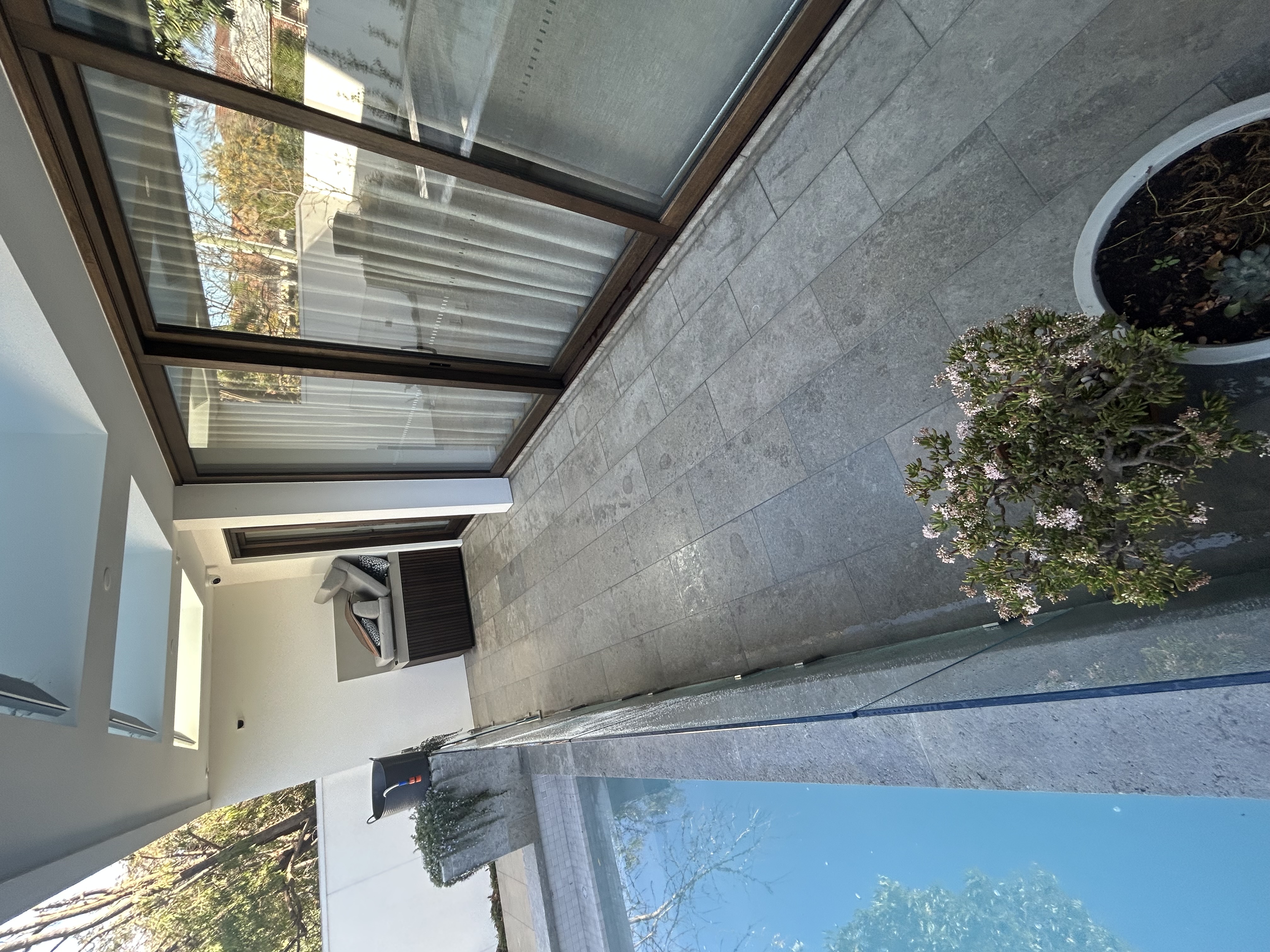
Scope of this article: This guide covers stone protection, cleaning, sealing, and restoration — not stone installation. Claraseal does not install, supply, or lay stone. We work with existing stone surfaces to clean, seal, protect, and restore them.
The most common reason homeowners end up replacing natural stone is not that the stone itself has failed. It is that the stone was not maintained correctly — and by the time the problem became visible, it appeared worse than it actually was.
Stone is replaced unnecessarily every day across Melbourne because homeowners assume that staining, dulling, etching, or biological growth means the stone is beyond recovery. In most cases, it is not. Professional cleaning, targeted stain treatment, grinding, polishing, and sealing can return stone surfaces to a condition that equals or exceeds their original state — at a fraction of the cost of replacement.
This guide explains what is recoverable, what is not, and what the professional approach to protecting natural stone actually involves.
When Stone Can Be Recovered Without Replacement
The majority of stone damage seen in Melbourne residential properties falls into categories that are addressable without replacement:
Surface staining
Oil stains, organic stains (coffee, wine, food), rust stains from metal furniture or fittings, and general soiling that has penetrated an unsealed or poorly sealed stone surface. Most stains can be drawn out with appropriate poulticing techniques — applying a stain-drawing compound to the surface, allowing it to work over 24–48 hours, and removing it with the stain absorbed. Very old or very deeply set stains may be permanent, but the majority are recoverable.
Dullness and loss of finish
Marble and polished stone that has become dull over time — whether through foot traffic wearing the surface, exposure to inappropriate cleaning products, or acid etching — can typically be restored through professional diamond polishing. This re-grinds the surface to the appropriate grit level and rebuilds the polish progressively. The result is a surface that is as good or better than new — not a repair, but a genuine restoration of the stone's original finish.
Biological growth
Algae, moss, lichen, and mould growth on outdoor stone — travertine alfresco paving, limestone garden paths, sandstone garden walls — is almost universally recoverable. Professional cleaning with appropriate biocidal treatments removes the growth and the staining it causes. Subsequent sealing significantly reduces recurrence by reducing the stone's porosity.
Surface etching on marble
Acid etching on marble — the dull marks caused by contact with acidic substances — is not a stain. It is physical surface damage where the acid has dissolved the stone's surface. Light to moderate etching can be polished out; deep etching requires grinding before re-polishing. In most residential cases, etching is recoverable through professional polishing. This is a specialist process that should not be attempted with consumer-grade products.
Minor chipping and cracking
Small chips in stone benchtops, tiles, and pavers can typically be filled with colour-matched stone filler and finished to blend with the surrounding surface. See our benchtop restoration page for detail on chip and crack repair in kitchen and bathroom applications. Larger structural cracks may require assessment before restoration is appropriate.
When Stone Genuinely Needs to Be Replaced
Honesty is important here: not all stone damage is recoverable. Replacement is the correct decision when:
- The stone has structural failure — cracking through the full depth of the tile or slab, or movement caused by substrate failure beneath the stone.
- Staining is permanent and deep enough that grinding to remove it would compromise the structural integrity or aesthetics of the stone.
- The stone has physically deteriorated to the point where it is friable (crumbling) or the surface is no longer intact.
- The homeowner wants a different stone type, colour, or format — which is a design decision, not a maintenance decision.
In these cases, replacement involves a stonemason or tiler — not Claraseal. Our services address existing stone that can be protected, cleaned, sealed, and restored.
The Protection Approach: Prevention Before Remediation
The most cost-effective strategy for natural stone is protection before damage occurs. Once stone has absorbed stains, developed etching, or sustained biological damage, remediation is always more expensive and more disruptive than preventive sealing would have been.
The protection sequence for new or recently cleaned stone:
- Assessment: Identify the stone type and its specific requirements. Different stones — marble, travertine, limestone, granite — need different sealing products and application methods.
- Cleaning: Even new stone has surface contamination from installation (grout residue, adhesive, construction dust) that must be removed before sealing. Sealing over contaminated stone traps the contamination permanently.
- Sealer selection: Match the sealer to the stone type, the application (interior/exterior, high-traffic/low-traffic, wet/dry), and the desired finish. For most luxury residential applications, a penetrating impregnating sealer is the correct choice.
- Application: Apply at the correct rate with appropriate coverage and drying time. Excess sealer must be removed before it dries — dried sealer residue on the stone surface requires specialist removal.
- Maintenance guidance: Use pH-neutral cleaners only on sealed natural stone. Avoid acid-based cleaners (including many commercial bathroom and kitchen products) on marble, travertine, and limestone.
The Remediation Approach: Existing Damaged Stone
For stone that has already been damaged — stained, etched, dull, or biologically affected — the restoration sequence:
- Assessment: Determine the type and extent of damage, and whether it is recoverable. Some assessments can be done from photos; others require an on-site visit.
- Stain treatment: Apply appropriate poultices, stain removers, or specialist treatments to draw out or dissolve existing staining before any grinding or polishing begins.
- Grinding and polishing (if required): For dull or etched marble, progressive diamond grinding rebuilds the surface finish. The number of grits required depends on the depth of damage.
- Biological treatment (if required): Biocidal treatment for algae, lichen, or mould on exterior stone, followed by rinsing and drying.
- Sealing: Once the stone is clean, dry, and at the desired finish level, apply the appropriate sealer.
- Maintenance advice: Provide specific maintenance guidance so the restoration is preserved.
Day-to-Day Practices That Protect Stone
Professional sealing extends the intervals between professional treatment — but daily habits matter too:
- Clean spills immediately: Even on sealed stone, leaving acidic liquids (wine, citrus, vinegar) in contact with marble or limestone risks etching over time. Wipe up promptly.
- Use only pH-neutral stone cleaners: Avoid bleach, acidic cleaners, and abrasive products on natural stone. pH-neutral cleaners specifically formulated for stone are available and not expensive.
- Do not use steam cleaners on stone: High-pressure steam can force moisture into stone and degrade sealers prematurely.
- Protect outdoor stone from fertiliser runoff: Fertilisers contain nitrogen and potassium compounds that stain stone rapidly. Apply garden fertilisers carefully and rinse any contact with stone immediately.
- Check sealer effectiveness periodically: A simple water-bead test on sealed stone tells you whether the sealer is still active — water should bead on the surface. If it absorbs rather than beads, the sealer has worn and reapplication is due.
Stone Protection Across Melbourne
Claraseal provides stone cleaning, sealing, and restoration across Melbourne's northern and eastern suburbs. We work with stone in all applications — marble foyers in Toorak and Malvern, travertine alfresco paving in Hawthorn and Kew, limestone pool surrounds in Brighton and South Yarra, and stone surfaces across all 31 target suburbs.
FAQs
Can stained stone be cleaned without replacing it?
In most cases, yes. Most stone stains can be treated with appropriate cleaning and poulticing techniques. Very old or deeply set stains may be permanent, but many homeowners who assumed their stained stone needed replacing have had successful outcomes with professional cleaning alone. An assessment is needed to determine what is recoverable.
Does Claraseal replace or install new stone?
No. Claraseal does not install, supply, or lay stone. We provide cleaning, sealing, protection, and restoration for existing stone surfaces. If the stone requires replacement, you will need a stonemason or tiler. In the majority of cases we see, the stone does not need to be replaced — it needs to be properly treated.
What is the difference between stone restoration and stone replacement?
Stone restoration treats the existing stone — cleaning, stain removal, crack filling, grinding, polishing, and sealing. Stone replacement removes and reinstalls new material. Restoration is almost always significantly less expensive and less disruptive, and in most cases achieves a comparable or superior result. Claraseal provides restoration services only.