Common Stone Damage and How Sealing Prevents It
By Claraseal — Published February 2026 — 8 min read
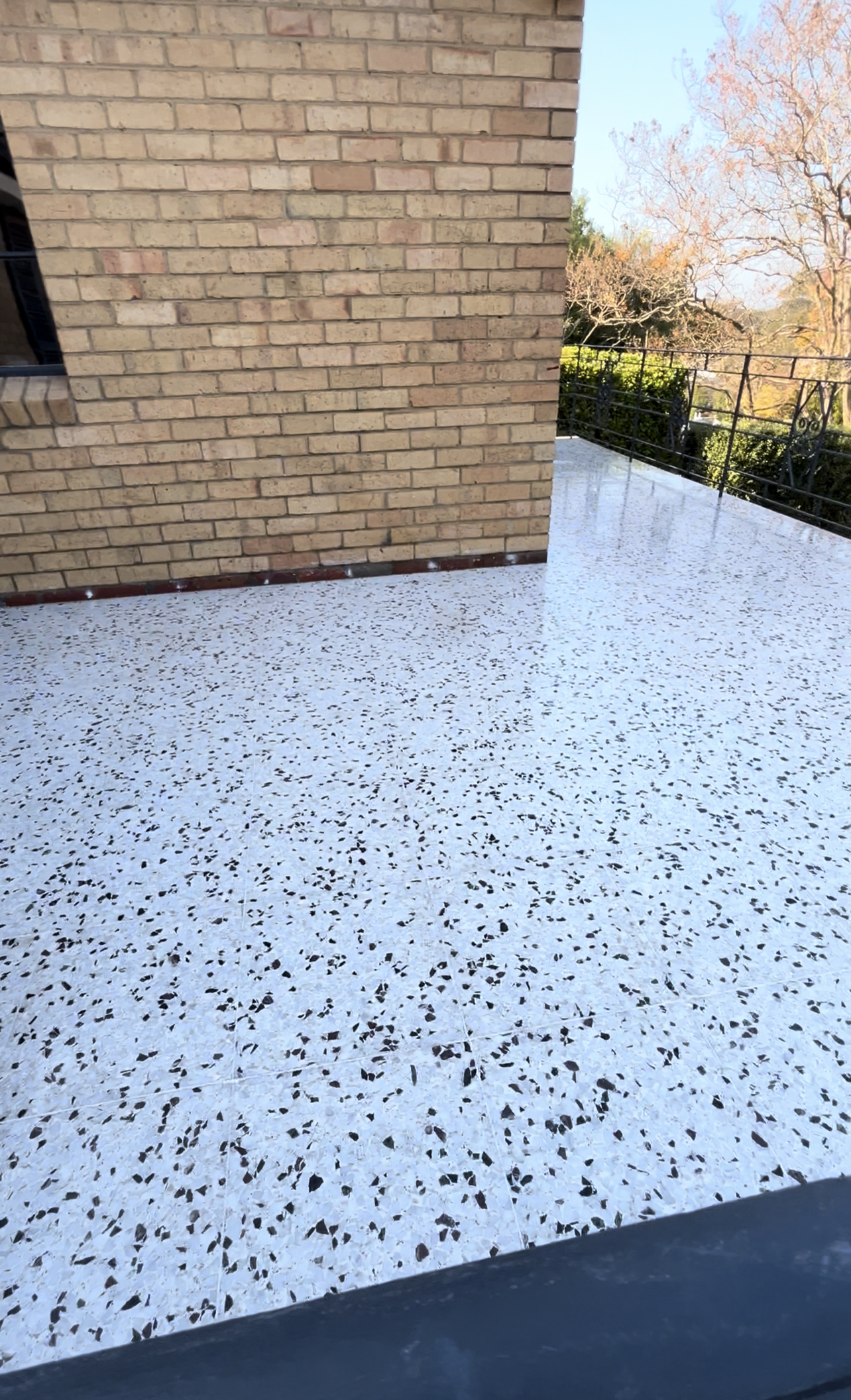
Scope of this article: This guide covers stone damage causes and how professional sealing prevents them — not stone installation or replacement. Claraseal provides cleaning, sealing, protection, and restoration services for existing stone surfaces only.
Natural stone fails in predictable ways. The material may vary — marble, travertine, limestone, sandstone, granite — but the mechanisms of deterioration are consistent. Understanding them makes the case for professional sealing clearly: in every case, the damage that sealing prevents costs far more to remediate than the sealing itself costs to apply.
This guide covers the four primary deterioration types seen in Melbourne residential stone surfaces, what causes each one, and how professional sealing addresses the risk.
Staining
What it is: Discolouration caused by liquids or substances penetrating the pore structure of the stone and depositing pigment or reactive compounds within the stone matrix. Unlike a surface mark that can be wiped away, a penetrating stain is absorbed into the stone itself.
Common causes: Red wine, coffee, oil, rust from metal furniture or fittings, fertiliser runoff, general food and beverage spills, and mineral deposits from hard water in wet areas. On outdoor stone, iron deposits from soil contact are a common staining mechanism.
Why it is so common: Most natural stone — particularly marble, travertine, limestone, and sandstone — is highly porous. Without sealing, a wine spill on an unsealed marble bench will penetrate within minutes. The stone looks clean until the liquid evaporates, revealing a permanent mark.
Stone most at risk: Marble, limestone, travertine, sandstone. Granite is denser and more resistant but still benefits from sealing, particularly in kitchen applications with regular food and liquid contact.
How sealing prevents it: A penetrating sealer fills the stone's pore structure, reducing its ability to absorb liquids. On a properly sealed surface, spills bead on the surface long enough to be wiped up — rather than being absorbed immediately. Sealing does not make stone stainproof, but it converts an immediate staining risk into a manageable one.
Acid Etching
What it is: Physical surface damage caused by acids dissolving the calcium carbonate in marble, limestone, and travertine. Etching appears as dull, rough patches on polished stone — typically lighter in colour than the surrounding surface. Unlike a stain, etching is physical material removal, not a discolouration.
Common causes: Lemon juice, vinegar, wine, tomato products, citrus-based cleaning products, acidic bathroom cleaners, and effluent from pools or spas. In commercial kitchens, the range of acidic substances that contact stone benchtops is extensive. Virtually all common cleaning products that are not specifically formulated for stone are acidic or alkaline enough to etch marble over time.
Why it is so destructive: Etching is irreversible without professional polishing. Consumer-grade "marble polish" products do not address etching — they may temporarily reduce its visibility but do not restore the surface. Repeated etching without professional intervention progressively destroys the polish on marble surfaces, and re-polishing each time removes material from the stone itself.
Stone most at risk: Marble, limestone, travertine. Granite and slate are acid-resistant and do not etch. Sandstone is porous but less susceptible to etching.
How sealing helps (partially): Sealing reduces the rate at which acidic liquids reach the stone surface — but it does not fully prevent etching on marble or limestone. Penetrating sealers slow acid penetration, which buys time for spill removal, but the acid chemistry reaction occurs at the stone surface itself, not within the pore structure. The primary preventive measure for etching is using only pH-neutral cleaners on acid-sensitive stone and cleaning spills immediately. Sealing is a complementary protection, not the primary defence against etching on marble.
Spalling and Surface Deterioration
What it is: Physical breakdown of the stone surface — flaking, pitting, crumbling, or surface delamination. Spalling typically begins as small surface losses and progresses to larger-scale structural deterioration if the underlying cause is not addressed.
Common causes:
- Moisture and freeze-thaw cycling: Water penetrates porous stone, then expands during cold periods. In Melbourne's outdoor applications — pool surrounds, garden paths, alfresco paving — this mechanism causes progressive surface loss over years.
- Inappropriate cleaning products: Highly alkaline or acidic cleaning products applied repeatedly can weaken the bond between mineral crystals in the stone, accelerating surface deterioration.
- Crystallisation of salts: In coastal properties near Melbourne's bay suburbs, salt-laden moisture penetrates stone and crystallises as it evaporates — the crystal growth mechanism is physically destructive to the stone matrix.
- High-pressure washing: Repeated use of high-pressure washers on soft stone types (sandstone, travertine) erodes the surface progressively.
Stone most at risk: Sandstone and travertine are the most susceptible to spalling — both are highly porous and relatively soft. Limestone is also vulnerable in outdoor applications. Granite and slate are significantly more resistant.
How sealing prevents it: Penetrating sealers significantly reduce moisture ingress into the stone — the primary mechanism behind freeze-thaw spalling. Sealed outdoor stone absorbs less water, undergoes less internal moisture pressure, and deteriorates more slowly. In coastal applications, sealing slows salt penetration and reduces crystallisation damage. For travertine specifically, sealing the voids and pore structure is the single most effective preventive action.
Biological Growth
What it is: Colonisation of stone surfaces by algae (green), moss (dark green), lichen (grey-green), or mould and mildew (black, grey). Biological growth is not merely cosmetic — the organisms extract minerals from the stone, and their root systems physically penetrate the surface, causing progressive damage that worsens with each season.
Common causes: Moisture, porous unsealed stone, partial shade, organic matter (leaf debris, soil contact), and Melbourne's combination of warm summers and cool wet winters creates ideal conditions for biological growth on outdoor stone. Shaded alfresco areas and garden paving that retains moisture are most commonly affected.
Why it is so damaging long-term: Lichen, in particular, is exceptionally destructive. Its rhizines (root-like structures) penetrate deep into porous stone and extract minerals directly from the stone matrix. Old lichen colonies on sandstone and limestone can be physically impossible to remove without damaging the underlying stone surface.
Stone most at risk: Any porous outdoor stone — travertine, limestone, sandstone, slate. Granite is more resistant but can still develop biological growth in persistently damp conditions.
How sealing prevents it: Sealed stone is less porous, retains less moisture at the surface, and provides less hospitable substrate for biological establishment. Properly sealed outdoor stone develops biological growth significantly more slowly than unsealed stone. In practice, this means the intervals between professional cleaning and treatment are longer, and the cleaning process is substantially less involved — the growth has not penetrated the stone surface as deeply.
The Cost of Not Sealing
The cost of professional sealing for a typical Melbourne residential stone application — a travertine alfresco area, a limestone path, a marble entrance foyer — is a fraction of the cost of addressing any of the damage types above once they are established.
- Stain removal and poulticing for deeply stained unsealed stone costs more than preventive sealing — and may not fully succeed.
- Re-polishing etched marble to restore its finish requires grinding and progressive polishing — more expensive and time-consuming than preventive sealing.
- Remediating spalling outdoor stone requires professional treatment and may require patching or partial replacement.
- Removing established lichen from unsealed sandstone or limestone can require careful manual treatment over multiple visits — far more costly than preventive sealing.
The economic case for professional sealing is straightforward: it is preventive maintenance at a fraction of the remediation cost.
Stone Sealing Across Melbourne
Claraseal provides professional stone cleaning, sealing, and protection across Melbourne. We service stone surfaces in all residential applications — marble and stone interiors in Toorak, Malvern, and Kew; travertine alfresco areas in Hawthorn and Camberwell; limestone and sandstone garden paving in Brighton and South Yarra; and stone across all 31 target Melbourne suburbs.
FAQs
Can etched marble be repaired?
Light to moderate etching on marble can be repaired through professional diamond polishing. The process re-grinds the surface at the damaged level and progressively rebuilds the polish. This is a professional process — consumer-grade kits can worsen the damage if applied incorrectly.
How does sealing prevent stone staining?
Sealing reduces the porosity of the stone surface, slowing the rate at which liquids and contaminants penetrate. A correctly sealed surface gives you time to clean up spills before they absorb and stain permanently. Sealing does not make stone stainproof — but it significantly extends the cleanup window.
Why is my outdoor stone turning green or black?
Green or black discolouration on outdoor stone is almost always biological growth — algae (green), moss (dark green), or lichen and mould (black). Unsealed stone is porous and provides an ideal surface for biological organisms. Professional biocidal treatment removes the growth; subsequent sealing significantly slows recurrence.