Concrete Sealing Costs in Melbourne: What to Expect in 2025
By Claraseal — Published February 2026 — 7 min read
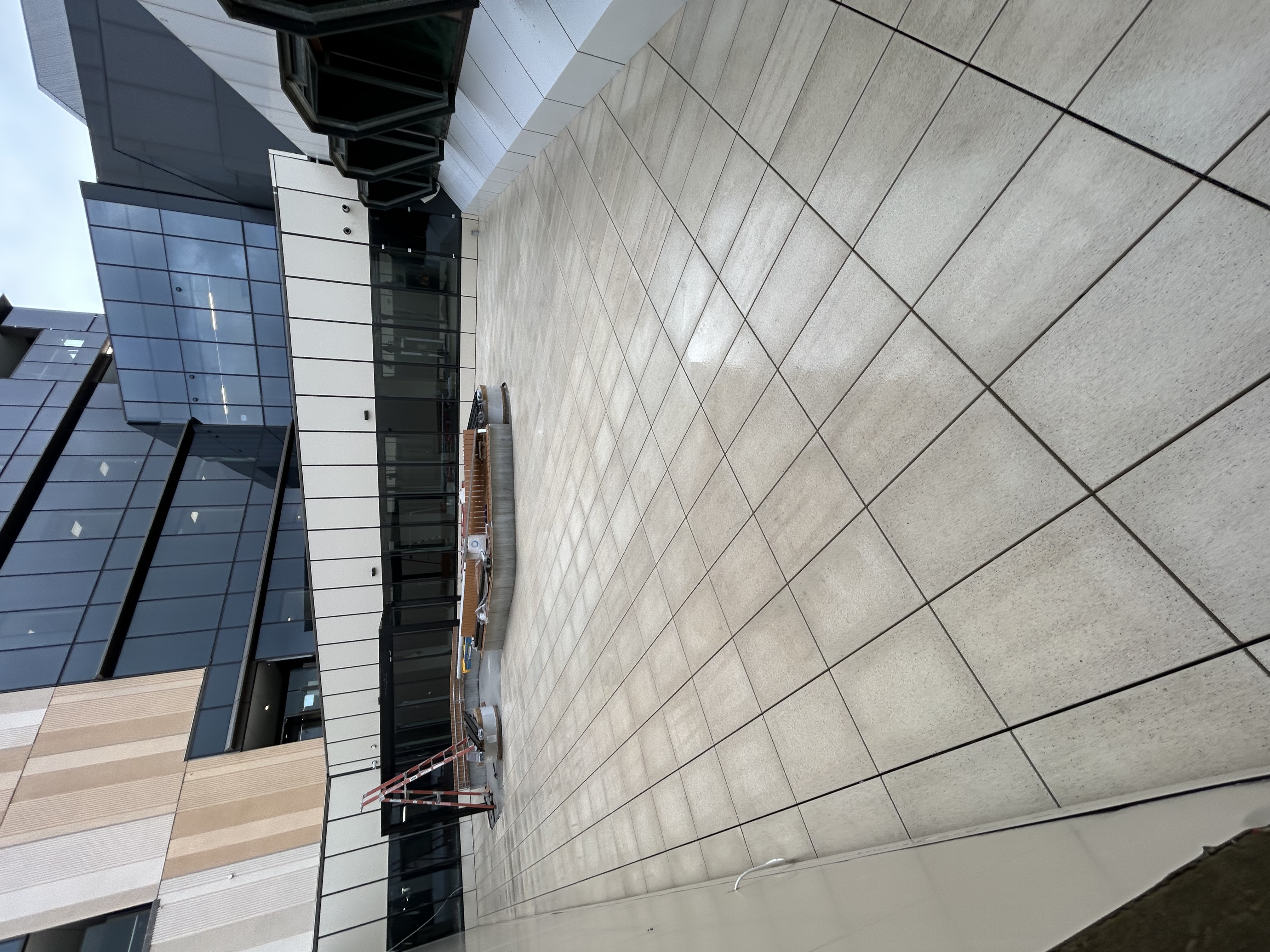
Concrete sealing is one of the most cost-effective investments you can make in a Melbourne property. It protects driveways, patios, pool surrounds, and internal slabs from staining, moisture damage, and the deterioration that Melbourne's summer heat and winter rain accelerates. But cost is frequently the first question — and it is also the question that is hardest to answer without seeing the surface.
This guide gives you an honest framework for understanding concrete sealing costs in Melbourne, what drives variation in price, and how to evaluate a quote when you receive one.
Why we do not publish fixed per-square-metre rates: The condition of the concrete is the biggest cost variable and it cannot be assessed without seeing it. A 50m² driveway that is clean, undamaged, and previously unsealed will cost significantly less to seal than a 50m² driveway with oil contamination, existing coating failure, and surface deterioration requiring grinding before sealing. Any per-square-metre rate published without seeing the surface is either a best-case estimate or a loss-leader that will have extras added later.
The Key Variables That Determine Cost
1. Area Size
This is the most straightforward variable. Larger areas cost more in absolute terms but are typically cheaper per square metre because preparation and travel costs are spread across more surface. A 100m² driveway will cost more than a 30m² path, but the cost per square metre will generally be lower.
2. Concrete Condition
This is the most significant variable after area size. Three conditions make sealing significantly more expensive:
- Oil and grease contamination: Oil-soaked concrete must be degreased before sealing — sealer applied over contaminated concrete will not bond and will fail prematurely. Degreasing and dwell-time treatment adds both labour and product cost.
- Existing coating failure: If there is already a failing sealer or coating on the concrete, it typically needs to be removed before a new sealer is applied. This often requires grinding — which adds significant preparation cost.
- Significant surface damage: Spalling, pitting, cracking, or structural damage needs to be addressed before sealing. Sealing over damaged concrete does not fix the damage — it just covers it temporarily before the sealer lifts.
3. Sealer Type
Not all sealers are equal and not all applications call for the same product.
| Sealer Type | What It Does | Typical Application | Relative Cost |
|---|---|---|---|
| Penetrating (impregnating) sealer | Absorbs into concrete; invisible protection | Natural appearance required; indoor slabs | Moderate |
| Acrylic film-forming sealer | Surface coating; adds sheen; some colour enhancement | Driveways, paths, alfresco | Moderate |
| Polyurethane coating | Hard, durable film; higher gloss | High-traffic applications | Higher |
| Epoxy coating | Thick, seamless, chemical-resistant layer | Garages, workshops, commercial | Higher (see epoxy flooring page) |
4. Number of Coats
Porous or previously unsealed concrete typically requires two coats for adequate protection. Some sealers are designed for single-coat application. The product specification and the porosity of the concrete determine how many coats are needed — and this cannot be assessed from a photo or description alone.
5. Access and Site Conditions
Driveways with tight access, multiple level changes, steps, or obstacles around parked vehicles take longer to prepare and coat. Furniture-filled alfresco areas or spaces requiring masking add labour time. In Melbourne's inner suburbs — particularly areas like South Yarra, Prahran, and Armadale — site access can be a factor due to narrow driveways and street parking limitations.
What You Are Paying For
A legitimate concrete sealing quote covers:
- Assessment: Time to evaluate the surface, determine the appropriate product, and plan the work.
- Preparation: Cleaning, degreasing, grinding, crack filling, or masking as required.
- Product: Professional-grade sealers cost significantly more than consumer-grade hardware store products. The difference in performance is proportional to the price gap.
- Application: Labour to apply the sealer correctly — including application rate, overlap, and avoiding lap marks or uneven distribution.
- Travel and overhead: Equipment, insurance, and business costs are embedded in the rate.
Red Flags in a Concrete Sealing Quote
Concrete sealing is not a complex trade, but it is one where shortcuts produce failures that are expensive to remediate. Watch for:
- No site visit: A quote given by phone or from photos alone cannot account for surface condition. Prepare for extras to be added once the job starts.
- Unusually low price: If a quote is significantly lower than others, ask what preparation it includes. Cut-price sealing that skips proper cleaning and preparation will fail — and the failure cost falls on you.
- No product specification: A legitimate quote should specify the sealer being applied by name or product type. "We use a high-quality sealer" is not a specification.
- Warranty claims on the concrete itself: A sealer can be warranted. The underlying concrete cannot. Any quote that implies the sealing will prevent concrete cracking or structural movement is misleading.
- Pressure to decide immediately: Standard practice is to provide a written quote and allow time for consideration. High-pressure same-day decisions are a warning sign.
How Long Does Concrete Sealing Last in Melbourne?
Melbourne's climate — hot, dry summers and cool, wet winters with moderate UV exposure — is moderately demanding on concrete sealers. Realistic longevity expectations:
- Penetrating sealers on interior slabs: 5–15 years, depending on foot traffic and cleaning products used.
- Film-forming sealers on outdoor driveways: 2–5 years before reapplication is worthwhile, depending on vehicle traffic and UV exposure.
- Pool surrounds and alfresco areas: 3–7 years, influenced by chemical exposure (pool water), foot traffic, and direct sun.
- Epoxy floor coatings on garages: 5–10+ years with appropriate surface preparation and quality product. See our epoxy flooring page for more detail.
The resealing calculation: The cost of resealing every 3–5 years is almost always lower than the cost of remediating concrete that has deteriorated through lack of protection. Staining, spalling, and moisture-related damage to unsealed concrete requires grinding, patching, and significant preparation before resealing — all of which cost substantially more than preventive maintenance.
Questions to Ask Before Hiring a Concrete Sealing Contractor
- Will you inspect the surface before quoting — and is the quote fixed or subject to variation once you start?
- What product are you using, and can you provide the product data sheet?
- What preparation is included — cleaning, degreasing, grinding?
- How many coats does your quote include?
- Are you insured for public liability?
- What is the recommended maintenance for the sealer you are applying?
Concrete Sealing Across Melbourne Suburbs
Claraseal provides concrete sealing and surface preparation across Melbourne's northern and eastern suburbs, including Toorak, Malvern, Hawthorn, Kew, Ivanhoe, Heidelberg, Reservoir, Brighton, and all 31 target suburbs. We provide free on-site assessments — no phone quoting, no remote estimates.
FAQs
How much does concrete sealing cost in Melbourne?
Costs vary significantly based on area size, concrete condition, sealer type, and access. The best way to get an accurate price is to request an on-site assessment — surface condition is the biggest variable that cannot be assessed remotely.
How long does concrete sealing last?
Penetrating sealers can last 5–15 years on interior surfaces. Film-forming sealers on outdoor driveways typically need reapplication every 2–5 years. The quality of the initial application and the maintenance routine are the main factors in longevity.
Does concrete need to be cleaned before sealing?
Yes — always. Sealing over contaminated, oily, or dirty concrete will result in poor adhesion and premature failure. At a minimum, thorough cleaning is required before any sealer is applied.