Epoxy vs Tiles vs Polished Concrete: Which Floor is Right for Your Melbourne Home?
By Claraseal — Published February 2026 — 8 min read
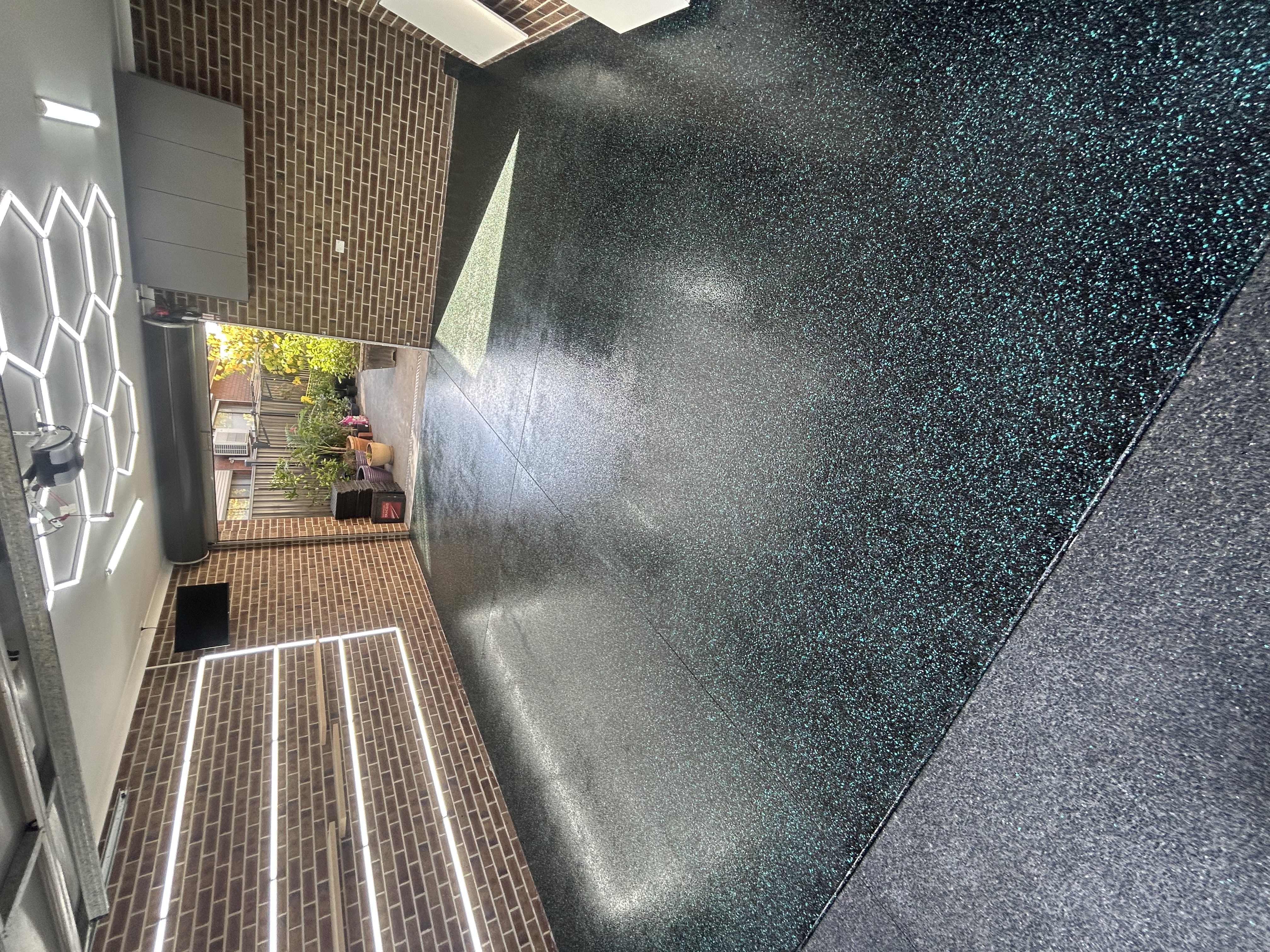
If you are renovating a Melbourne property — whether that is a garage, an alfresco area, an internal living space, or a commercial floor — you have likely come across three options: epoxy flooring, tiles, and polished concrete. Each has a strong case made for it. Each has genuine limitations too.
This guide cuts through the marketing and gives you an honest comparison across the factors that matter most: upfront cost, long-term durability, maintenance, appearance, and which applications each option genuinely suits.
Claraseal's scope: We install epoxy flooring systems and seal or grind concrete. We do not install tiles. This guide is written to give you a useful comparison, not to sell you our service — but we have linked to our service pages where relevant so you can explore further.
The Short Version
| Factor | Epoxy Flooring | Tiles | Polished Concrete |
|---|---|---|---|
| Upfront cost | Mid | Mid–High | Mid–High |
| Installation time | 1–2 days | 2–5 days+ | 2–4 days |
| Maintenance | Very low | Moderate (grout) | Low–Moderate |
| Durability | Very high | High (tiles), Low (grout) | High |
| Repairability | Moderate | Good (individual tiles) | Moderate |
| Appearance options | Wide | Wide | Limited (sheen variation) |
| Best for | Garages, alfresco, commercial | Wet areas, outdoor paving | Internal living, commercial |
Epoxy Flooring
Epoxy flooring is a resin-based coating applied directly over prepared concrete. It creates a seamless, hard-wearing surface in a single layer — or a multi-coat system for higher-demand applications.
What epoxy does well
- Seamless surface: No grout lines means no dirt traps, no cracking joints, and a much easier clean. This is the single biggest advantage over tiles in high-use areas.
- Chemical and stain resistance: Properly formulated epoxy resists oil, water, acids, and most cleaning products — which is why it is standard in commercial kitchens, workshops, and garages.
- Fast installation: A standard residential garage can typically be coated in a single day. Light foot traffic is possible within 24 hours; full vehicle traffic within 72 hours.
- Cost-effective at scale: On large, open areas (garages, warehouses, alfresco slabs), epoxy is typically more cost-effective than tiles because labour per square metre drops with fewer joints and less precision cutting.
- Finish options: Solid colours, metallic effects, decorative flake systems, and various sheen levels are all available. Anti-slip additives can be incorporated for wet areas.
Where epoxy has limits
- Epoxy is a coating, not a structural layer. If the concrete substrate beneath it is compromised — severely cracked, contaminated, or damp — the coating will fail regardless of application quality.
- It requires proper surface preparation: diamond grinding or shot blasting before application. A cut-price epoxy job that skips preparation will delaminate.
- In direct UV exposure, standard epoxy can yellow over time. Polyurethane or polyaspartic topcoats are typically used for exterior or high-UV applications to prevent this.
- It is not suited to high-traffic wet areas where slip resistance is the primary requirement without appropriate additives.
In Melbourne, epoxy is most commonly requested for residential double garages — particularly in suburbs like Toorak, Hawthorn, Kew, and Camberwell where homeowners are upgrading older homes and want a clean, modern garage finish.
Tiles
Porcelain and ceramic floor tiles are a proven, flexible flooring system with a long track record. They work well in specific applications — but they are frequently chosen for the wrong ones.
What tiles do well
- Wet areas: Properly specified and installed tiles in bathrooms, laundries, and outdoor wet zones are highly effective.
- Repairability: A cracked or damaged tile can usually be replaced individually — unlike epoxy or polished concrete, where full-area repairs are more visible.
- Aesthetic range: The tile market offers an enormous range of formats, finishes, and materials. Natural stone-look, large format, and textured tiles are all widely available.
- Heat resistance: Tiles do not soften or discolour in high-heat applications the way some coatings can.
Where tiles have limits
- Grout: This is the unavoidable problem. Grout absorbs stains, harbours bacteria, discolours over time, and requires regular sealing and cleaning. In a garage, workshop, or commercial kitchen, grout maintenance becomes a genuine operational cost.
- Large area installation cost: Tiling large areas requires significant labour. Precision cutting around drains, columns, and irregular edges adds time and cost.
- Spalling and cracking: In outdoor Melbourne applications, thermal movement causes tiles and grout to crack over time — particularly in alfresco areas that experience both summer heat and winter cold.
Polished Concrete
Polished concrete grinds and refines the existing concrete surface to a smooth, reflective finish. Unlike epoxy, it does not add a coating — it works with what is already there.
What polished concrete does well
- Minimal added thickness: Because nothing is applied on top, polished concrete does not raise floor height — important in extensions or renovations where door clearances and transitions matter.
- Lifespan: A properly ground and sealed polished concrete floor can last decades without replacement. It is the same material as the slab — it cannot delaminate.
- Thermal mass: In Melbourne's climate, polished concrete floors absorb and release heat effectively — a genuine passive heating and cooling benefit.
- Aesthetic: The aggregate-exposed, minimal aesthetic of polished concrete is consistent with Melbourne's contemporary residential design sensibility.
Where polished concrete has limits
- The quality of the result is entirely dependent on the quality of the original pour. A poorly finished slab with significant aggregate variation, air pockets, or colour inconsistencies will not polish to a uniform finish.
- Existing cracks in the slab will remain visible after polishing. They can be filled and ground, but they are rarely invisible.
- Polished concrete requires periodic resealing to maintain stain resistance and sheen. Without maintenance, it becomes dull and porous over time.
- It is not suitable for exterior applications without specific sealers — outdoor polished concrete exposed to Melbourne's UV and rain will deteriorate.
Side-by-Side: Garage Application
The garage is the most common context where these three options are compared in Melbourne. Here is how they compare for a typical 40m² residential double garage:
| Consideration | Epoxy | Tiles | Polished Concrete |
|---|---|---|---|
| Vehicle traffic suitability | Excellent | Good | Good |
| Oil stain resistance | Excellent | Moderate (grout) | Moderate (requires sealing) |
| Hot tyre resistance | Good (quality systems) | Excellent | Excellent |
| Cleaning ease | Excellent | Moderate | Good |
| Downtime during install | 1–2 days | 3–5 days | 2–4 days |
| Risk of cracking/failure | Low (with proper prep) | Moderate (grout lines) | Low–Moderate |
For most Melbourne residential garages, epoxy flooring is the most practical choice. It is faster, lower-maintenance, and performs well under vehicle use. The exception is where a homeowner prioritises individual tile repairability or wants a specific aesthetic that tiles provide.
Side-by-Side: Alfresco and Outdoor Areas
For outdoor alfresco areas and entertainment spaces, the comparison shifts somewhat:
- Epoxy: Suitable for covered alfresco areas with UV-stable topcoats. Not recommended for fully exposed outdoor areas without specific exterior-grade systems.
- Tiles: Work well but require grouting that will need maintenance. Large-format porcelain tiles on adequate substrate perform well in Melbourne's outdoor conditions.
- Polished concrete: Not suitable for exposed outdoor areas. Concrete grinding and sealing (not polishing) is the appropriate treatment for outdoor slabs — see our concrete services page.
Making the Decision
The right flooring depends on your specific application, existing substrate, budget, and aesthetic goals. Here is a practical decision guide:
- Choose epoxy if: You want a low-maintenance, seamless, hard-wearing floor for a garage, workshop, commercial space, or covered alfresco area — and you want it installed quickly.
- Choose tiles if: You need individual tile repairability, you are tiling a wet area bathroom or laundry, or you want a specific tile aesthetic not achievable with a coating.
- Choose polished concrete if: You have an existing slab in good condition, you want a minimal industrial aesthetic for an internal living space, and you are prepared to maintain it with periodic resealing.
Get a professional assessment first. The single most important factor in any flooring decision is the condition of the existing concrete substrate. A surface that appears sound can have moisture issues, contamination, or structural problems that will affect any coating or finish applied to it. Before committing to any option, have the substrate assessed by someone qualified to do so.
FAQs
Is epoxy flooring cheaper than tiles?
For most applications — particularly garages and large open areas — epoxy flooring is more cost-effective than tiles when you factor in installation labour. Tiles require grouting, precision cutting, and more labour-intensive installation. Epoxy is applied as a continuous coating over prepared concrete, which is faster and less labour-intensive on large areas.
Does polished concrete crack?
Polished concrete is subject to the same cracking risks as any concrete slab — settlement, thermal movement, and structural loads can all cause cracking over time. Existing cracks can be repaired and ground before polishing. Post-polish sealing helps protect the surface but does not eliminate the risk of cracking in the underlying concrete.
Which flooring is easiest to maintain?
Epoxy flooring is typically the easiest to maintain. It is seamless (no grout lines), chemically resistant, and requires only sweeping and occasional mopping with mild detergent. Polished concrete is also low-maintenance but requires periodic resealing. Tiles are the most demanding due to grout lines that collect dirt and require specific cleaning products.